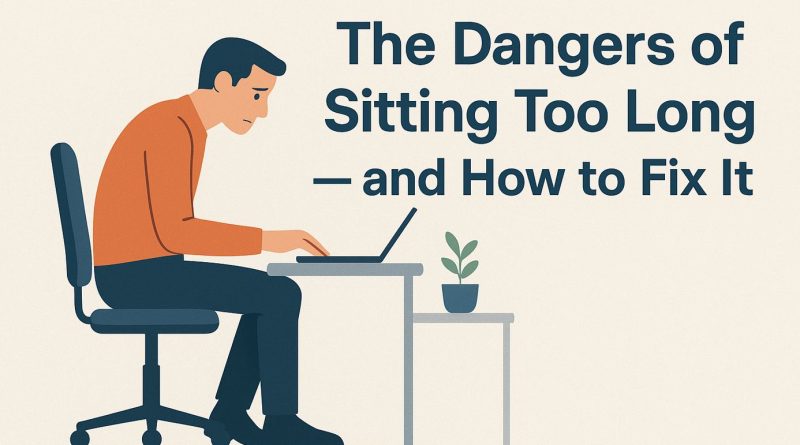
The Dangers of Sitting Too Long — and How to Fix It
In today’s modern world, sitting has become an unavoidable part of life. Whether we’re working at a desk, commuting, or relaxing in front of a screen, most of us spend the majority of our day sitting. While it may seem harmless, research shows that sitting for prolonged periods can be as detrimental to your health as smoking. It contributes to obesity, heart disease, poor posture, and even premature death. Fortunately, there are effective ways to counteract these risks. Understanding the dangers of prolonged sitting—and knowing how to fix it—can significantly improve your overall health and well-being.
The Modern Sedentary Lifestyle
Technology has made our lives easier, but also far more sedentary. Many people spend 8 to 10 hours a day sitting—often without realizing how much time has passed. Office jobs, remote work, and digital entertainment have created a lifestyle where sitting is the default mode. Even those who exercise regularly can still be at risk if they spend the rest of their day mostly inactive.
Health experts now refer to this as “sitting disease,” a term used to describe the negative health effects associated with prolonged sedentary behavior. The human body was designed to move, stretch, and stay active. When we sit too much, we disrupt the body’s natural processes, leading to both immediate and long-term consequences.
The Physical Health Risks of Sitting Too Long
Prolonged sitting affects almost every system in the body. Here are some of the most significant risks:
-
Increased Risk of Heart Disease
Sitting for long hours slows down circulation and decreases the activity of lipoprotein lipase, an enzyme responsible for breaking down fats in the blood. This leads to higher cholesterol levels and increased plaque buildup in the arteries. Studies show that people who sit more than eight hours a day have a significantly higher risk of cardiovascular disease compared to those who move regularly. -
Weight Gain and Metabolic Syndrome
When you sit for extended periods, your body’s calorie-burning rate drops dramatically. Muscles, particularly in the legs and glutes, become inactive, reducing insulin sensitivity and making it easier to gain weight. This can eventually lead to metabolic syndrome—a cluster of conditions that includes obesity, high blood sugar, and high blood pressure. -
Back and Neck Pain
Poor posture while sitting puts immense pressure on the spine and neck. Over time, this can cause chronic back pain, herniated discs, and muscle stiffness. People who spend hours hunched over laptops or phones are especially prone to developing postural imbalances. -
Weakened Muscles and Joints
When you sit, your hip flexors shorten, your gluteal muscles weaken, and your joints stiffen. This lack of movement can lead to reduced flexibility, poor balance, and an increased risk of injury when you do engage in physical activity. -
Increased Risk of Type 2 Diabetes and Cancer
Research has linked prolonged sitting with a higher likelihood of developing insulin resistance and type 2 diabetes. Some studies also suggest connections between excessive sitting and certain cancers, including colon, breast, and endometrial cancer, possibly due to changes in hormone regulation and inflammation. -
Shortened Lifespan
Multiple studies have found that people who sit for more than 6 to 8 hours a day are at greater risk of premature death—even if they exercise regularly. The message is clear: regular movement throughout the day is just as important as hitting the gym.
The Mental and Emotional Consequences
Sitting too long doesn’t just affect the body—it also impacts the mind. Sedentary behavior has been linked to increased feelings of anxiety, stress, and depression. Reduced blood flow and oxygen to the brain can cause fatigue and difficulty concentrating, commonly referred to as “brain fog.” Furthermore, physical inactivity can interfere with the production of mood-regulating chemicals like endorphins and serotonin.
How to Fix It: Practical Strategies to Reduce Sitting Time
The good news is that small, consistent changes can make a big difference. You don’t need to quit your desk job or spend hours exercising each day. The goal is to integrate movement naturally into your routine.
-
Follow the 30-30 Rule
Every 30 minutes, stand up and move for at least 30 seconds to two minutes. Walk around, stretch, or do a few squats. These micro-breaks boost circulation and prevent stiffness. -
Use a Standing Desk or Adjustable Workstation
Standing desks are becoming increasingly popular in workplaces. Alternating between sitting and standing can improve posture, reduce back pain, and increase energy levels throughout the day. -
Incorporate Movement Into Your Routine
Take the stairs instead of the elevator, park farther away from the entrance, or hold walking meetings instead of sitting in a conference room. Every bit of movement counts. -
Exercise Daily—But Also Move Often
While regular exercise is essential, it doesn’t completely offset the risks of sitting for long periods. Aim for at least 150 minutes of moderate exercise each week, but also prioritize staying active during the day. -
Stretch Regularly
Simple stretches can relieve tension in your neck, shoulders, and lower back. Try rolling your shoulders, standing toe touches, or hip flexor stretches to counteract the effects of sitting. -
Mind Your Posture
Sit with your feet flat on the floor, your back straight, and your computer screen at eye level. Investing in an ergonomic chair can also help maintain spinal alignment. -
Set Reminders
Use apps or timers to remind you to move. It’s easy to get lost in work, so visual or audible reminders can help keep you accountable.
The Bigger Picture: Moving Toward a Healthier Lifestyle
Breaking free from a sedentary lifestyle isn’t just about standing more—it’s about embracing a culture of movement. Whether it’s walking during lunch, gardening, or dancing in your living room, any form of physical activity can improve health and happiness. The key is consistency. Over time, these small actions add up, reducing the risks associated with prolonged sitting and helping you feel more energized, focused, and strong.
Conclusion
The dangers of sitting too long are real, but they are also reversible. By becoming more mindful of your daily habits and incorporating regular movement, you can protect your body from the silent harm caused by inactivity. Remember, the human body was built to move. So, stand up, stretch, and take that walk—your body and mind will thank you for it.