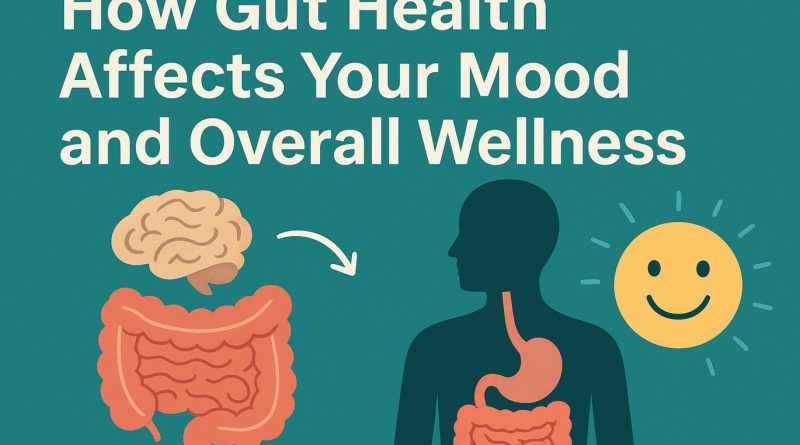
How Gut Health Affects Your Mood and Overall Wellness
In recent years, scientists and health enthusiasts alike have turned their attention to one of the most surprising influencers of human health: the gut. Far from being just a digestive organ, the gut—often called the “second brain”—plays a powerful role in shaping our mood, behavior, and overall wellness. The intricate relationship between the gut and the brain, known as the gut-brain axis, reveals how deeply our mental and physical states are intertwined. Understanding this connection can open the door to better emotional balance, improved energy, and greater overall well-being.
The Gut-Brain Axis: A Two-Way Communication System
The gut and the brain are connected through a complex communication network that involves neural, hormonal, and immune pathways. The vagus nerve, one of the largest nerves in the body, serves as a direct highway between the gut and the brain, allowing them to constantly exchange information. This bidirectional communication means that what happens in your digestive system doesn’t stay there—it can directly influence how you think and feel.
For instance, when you experience stress, your brain sends signals to the gut, which can result in symptoms like nausea, loss of appetite, or an upset stomach. Conversely, an imbalance in the gut—such as inflammation or an unhealthy microbiome—can send distress signals to the brain, potentially triggering mood disturbances like anxiety or depression. This dynamic relationship is why taking care of your gut is also an act of taking care of your mind.
The Role of the Gut Microbiome
At the heart of gut health lies the gut microbiome—a community of trillions of bacteria, viruses, and fungi living in your digestive tract. These microorganisms play an essential role in digesting food, producing vitamins, regulating the immune system, and protecting against harmful pathogens. More importantly, they have a profound impact on brain chemistry.
Certain gut bacteria produce neurotransmitters—the same brain chemicals that regulate mood and emotion. For example, about 90% of the body’s serotonin, the “feel-good” neurotransmitter, is produced in the gut, not the brain. Other beneficial bacteria can influence the production of dopamine and gamma-aminobutyric acid (GABA), both of which are critical for reducing anxiety and promoting calmness. When your gut microbiome is healthy and balanced, it supports optimal mental health. But when it becomes imbalanced, or dysbiotic, it can contribute to mood disorders and cognitive dysfunction.
Gut Inflammation and Mental Health
Inflammation is another key player in the gut-brain connection. A diet high in processed foods, sugar, and unhealthy fats can promote inflammation in the gut lining, leading to a condition known as “leaky gut syndrome.” This occurs when the intestinal barrier becomes compromised, allowing toxins and bacteria to enter the bloodstream. Once this happens, the immune system responds with systemic inflammation—which can reach the brain and influence mood regulation.
Chronic low-grade inflammation has been linked to depression, anxiety, and even neurodegenerative diseases like Alzheimer’s. Conversely, reducing inflammation through a balanced diet, probiotics, and stress management can help stabilize mood and enhance cognitive function.
How Diet Shapes Your Gut and Mood
What you eat directly influences your gut microbiome and, consequently, your mental well-being. Diets rich in fiber, whole grains, fruits, vegetables, and fermented foods provide the necessary nutrients and prebiotics that feed beneficial gut bacteria. These foods promote the production of short-chain fatty acids (SCFAs), which have anti-inflammatory effects and support brain health.
Fermented foods such as yogurt, kefir, sauerkraut, and kimchi are natural sources of probiotics—live bacteria that help restore balance in the gut. Meanwhile, foods rich in omega-3 fatty acids, like salmon, walnuts, and chia seeds, are known to support both gut and brain health by reducing inflammation.
On the other hand, excessive consumption of processed foods, artificial sweeteners, and refined sugars can harm beneficial bacteria, promote inflammation, and increase the risk of mental health issues. Studies have shown that individuals who follow a Mediterranean-style diet—a diet emphasizing whole foods, healthy fats, and lean proteins—tend to have lower rates of depression and anxiety compared to those who consume a Western diet high in processed ingredients.
Stress and the Gut Connection
Stress is another major factor that affects gut health. When you’re under chronic stress, your body releases cortisol and other stress hormones that can disrupt the balance of your gut bacteria and slow down digestion. This not only leads to discomfort but also contributes to the cycle of anxiety and mood instability. Practices like meditation, yoga, deep breathing, and adequate sleep can help regulate stress hormones and support both gut and brain function.
The Future of Gut-Brain Research
The study of the gut-brain axis is still in its early stages, but emerging research offers promising insights. Scientists are exploring the potential of “psychobiotics”—probiotics that specifically target mental health conditions. Early studies suggest that certain strains of bacteria may reduce symptoms of depression, anxiety, and even improve cognitive performance. This exciting field could pave the way for new treatments that use gut-based therapies to support mental wellness.
Taking Care of Your Gut for a Healthier Mind
Supporting your gut health doesn’t require drastic measures—it’s about making small, consistent choices that nourish your body and mind. Here are a few evidence-based tips:
- Eat a diverse, plant-rich diet to promote a healthy microbiome.
- Include fermented foods for natural probiotics.
- Reduce processed foods and added sugars to lower inflammation.
- Stay hydrated to aid digestion and nutrient absorption.
- Manage stress through mindfulness, exercise, or relaxation techniques.
- Get enough sleep, as rest is essential for gut repair and balance.
Conclusion
Your gut is much more than a digestive organ—it’s a central hub that affects how you think, feel, and function. By taking care of your gut, you nurture your mood, immune system, and overall well-being. The next time you sit down for a meal, remember that every bite you take is not only feeding your body but also shaping your mind. In essence, a healthy gut truly means a happier, healthier you.