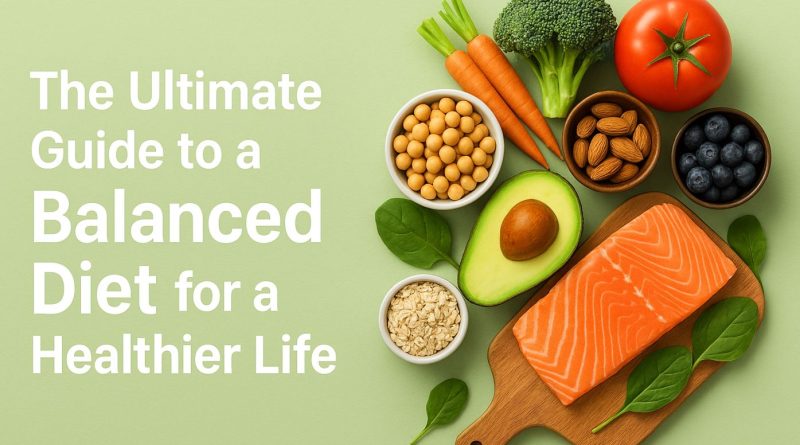
The Ultimate Guide to a Balanced Diet for a Healthier Life
A balanced diet is the cornerstone of good health and long-lasting vitality. It provides your body with the essential nutrients it needs to function effectively — from supporting your immune system and improving energy levels to maintaining a healthy weight and preventing chronic diseases.
But what exactly does a balanced diet look like, and how can you achieve it in your daily life? This ultimate guide will break it down for you step by step, helping you make smarter food choices for a healthier life.
1. What Is a Balanced Diet?
A balanced diet means eating the right amount of foods from all major food groups to provide your body with proper nutrition. These food groups include:
- Carbohydrates: The main source of energy.
- Proteins: Essential for growth, repair, and maintenance of body tissues.
- Fats: Needed for energy, cell function, and hormone production.
- Vitamins and Minerals: Support metabolism, immunity, and overall well-being.
- Water: Vital for every bodily function, including digestion and temperature regulation.
The goal is not to restrict or eliminate entire food groups but to ensure moderation, variety, and balance in your meals.
2. The Benefits of a Balanced Diet
Eating a balanced diet has powerful benefits that affect every part of your life:
- Boosts immunity: Nutrient-dense foods strengthen your body’s defense system.
- Improves energy levels: Balanced meals stabilize blood sugar and prevent energy crashes.
- Supports weight management: Whole foods reduce overeating and cravings.
- Promotes better digestion: Fiber-rich foods maintain gut health.
- Prevents chronic diseases: Reduces the risk of heart disease, diabetes, and obesity.
- Enhances mental health: A nutrient-rich diet can improve mood and focus.
A healthy diet doesn’t just make you feel better — it helps you live longer and stronger.
3. The Core Components of a Balanced Diet
Let’s take a closer look at each essential element of a balanced diet and what you should include on your plate.
a. Carbohydrates – The Body’s Fuel
Carbohydrates are your body’s preferred source of energy. However, not all carbs are created equal.
- Choose complex carbohydrates like whole grains (brown rice, oats, quinoa) instead of refined ones (white bread, pastries).
- Whole grains are rich in fiber, which supports digestion and keeps you full longer.
b. Proteins – The Building Blocks
Proteins repair tissues, build muscles, and produce enzymes and hormones.
- Good sources include lean meats, fish, eggs, tofu, beans, and legumes.
- Try to include protein in every meal to maintain muscle health and metabolism.
c. Healthy Fats – The Essential Nutrient
Fats are crucial for brain function, energy storage, and vitamin absorption.
- Focus on unsaturated fats from avocados, olive oil, nuts, and seeds.
- Limit saturated and trans fats found in fried foods, processed snacks, and butter.
d. Vitamins and Minerals – The Micronutrient Powerhouses
Micronutrients keep your body running smoothly and protect you from illness.
- Vitamin C (from citrus fruits) boosts immunity.
- Calcium (from dairy or leafy greens) strengthens bones.
- Iron (from red meat or spinach) supports oxygen transport.
- Zinc and Magnesium aid metabolism and cell repair.
e. Water – The Forgotten Nutrient
Water is often overlooked but is essential for life. It helps regulate temperature, transport nutrients, and remove waste.
Aim for at least 8 glasses (2 liters) of water a day, and more if you’re active or live in a hot climate.
4. How to Create a Balanced Meal
A simple formula to follow is the “Healthy Plate Method” recommended by nutritionists and the World Health Organization (WHO):
- ½ plate: Vegetables and fruits
- ¼ plate: Whole grains or complex carbs
- ¼ plate: Lean proteins
- A small serving of healthy fats
Example:
A balanced lunch could include grilled chicken (protein), brown rice (carbohydrate), steamed broccoli and carrots (vegetables), and a drizzle of olive oil (healthy fat).
5. Smart Eating Habits to Support a Balanced Diet
A healthy diet is about more than what you eat — it’s also about how you eat. Here are some key habits to build:
- Eat mindfully: Slow down and enjoy your food; it helps with digestion and portion control.
- Plan your meals: Meal prepping ensures you have nutritious options ready.
- Read food labels: Avoid hidden sugars, sodium, and unhealthy fats.
- Control portion sizes: Even healthy foods can lead to weight gain if eaten in excess.
- Avoid skipping meals: It can cause overeating later in the day.
6. Common Myths About a Balanced Diet
Let’s debunk a few misconceptions:
- ❌ Myth 1: Carbs make you fat.
✅ Reality: Healthy carbs are essential; only refined carbs cause issues. - ❌ Myth 2: Fat is always bad.
✅ Reality: Your body needs good fats for hormone balance and brain function. - ❌ Myth 3: Skipping meals helps you lose weight.
✅ Reality: It slows metabolism and often leads to overeating later.
7. Small Steps to Start Today
You don’t have to change everything overnight. Start small:
- Replace soda with water or herbal tea.
- Add one serving of vegetables to each meal.
- Swap white bread for whole-grain alternatives.
- Choose fruit for dessert instead of sweets.
These small, consistent habits will gradually build a strong foundation for long-term health.
Conclusion
A balanced diet isn’t about strict rules or deprivation — it’s about nourishing your body with what it truly needs. When you eat a variety of whole, fresh, and nutrient-dense foods, you’ll have more energy, a stronger immune system, and a better quality of life.
Start today, one meal at a time, and experience how a balanced diet can transform your health from the inside out.